Q: What is this article about?
A: This article explores fascinating facts about the Vatican City, covering its history, significant landmarks, artistic treasures, and unique characteristics as the smallest independent state and the heart of the Catholic Church.
Q: Why is the Vatican considered the smallest country in the world, and how did it become independent?
A: Vatican City became the world’s smallest independent country in 1929 after the Lateran Treaty was signed between Italy and the Holy See, which recognized the Pope’s sovereignty and established its modern borders.
Q: What are some surprising facts about St. Peter’s Basilica?
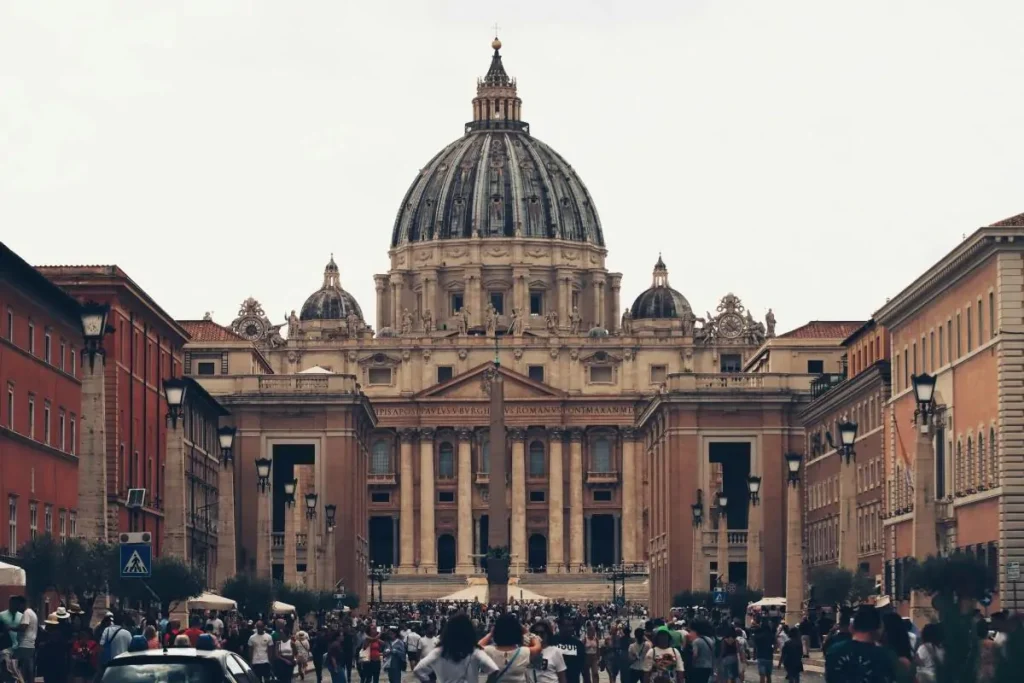
A: St. Peter’s Basilica, though the largest church in the world, is actually the “New St. Peter’s Basilica,” built over the site of an earlier 4th-century basilica and believed to house Saint Peter’s tomb directly beneath its main altar.
Q: What historical significance does the Vatican’s location hold?
A: The Vatican is built on Vatican Hill, a site that once contained the Circus of Nero, where early Christians like Peter the Apostle were martyred, making it a powerful symbol of Christianity’s triumph.
Q: What makes the art inside St. Peter’s Basilica and the Vatican Museums so special?
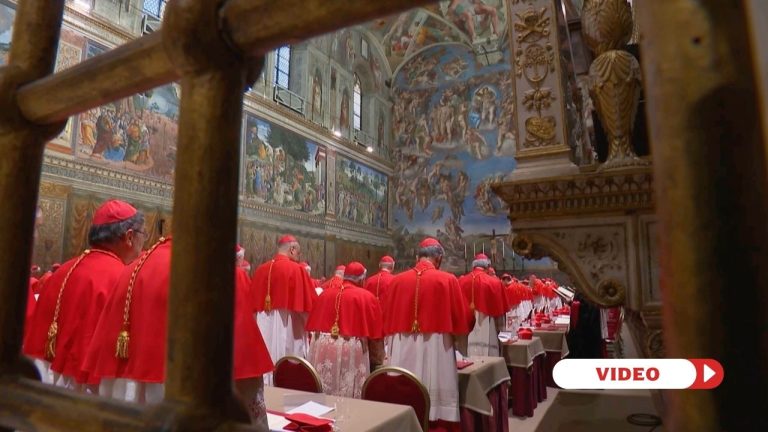
A: While the basilica features intricate mosaics instead of traditional paintings for durability, the Vatican Museums house world-renowned masterpieces such as Michelangelo’s Sistine Chapel ceiling and Pietà, and Raphael’s “The School of Athens.”
Vatican 101: Fascinating Facts About the Vatican