Q: What is this article primarily about?
A: The article discusses St. John Henry Newman’s significant contributions to Catholic thought and how his nuanced understanding of papal authority contrasts with a “new ultramontanism” affecting the Church today.
Q: Who was St. John Henry Newman and why is he important?
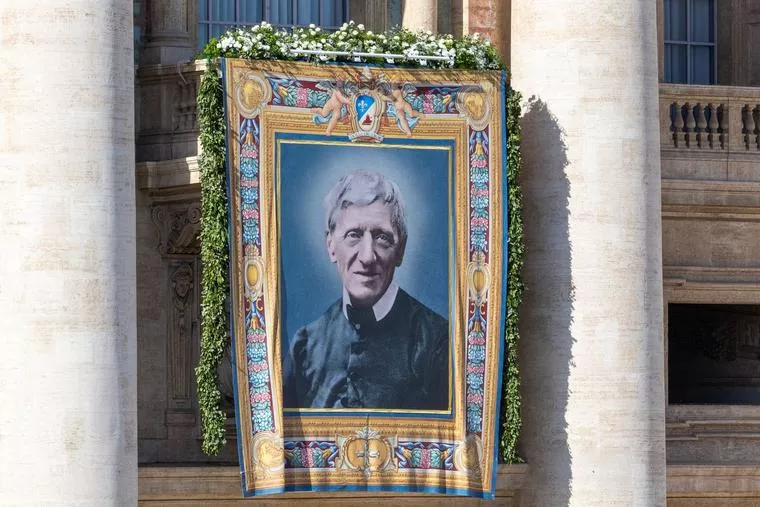
A: Newman was a highly influential 19th-century theologian and truth-seeker who converted to Catholicism, writing seminal works like “An Essay on the Development of Christian Doctrine” that shaped modern Catholic theology and paved the way for Vatican II. He was recently declared a Doctor of the Church.
Q: What is “ultramontanism” and how did it affect Newman?
A: Ultramontanism is an expansive view of papal infallibility, treating the Pope as an oracle on almost any subject. While Newman firmly defended papal authority, his more precise understanding often put him at odds with 19th-century ultramontanists who initially viewed him with suspicion.
Q: What is the “new ultramontanism” and why is it problematic?
A: The “new ultramontanism” is a modern hybrid combining progressive ideas with a liberal authoritarian approach to Church governance. The article argues it’s problematic because it uses appeals to papal authority to shut down dissenting viewpoints and stifle intellectual inquiry, similar to how old ultramontanism suppressed Newman’s theology.
Q: Why is there “irony” in Newman being named a Doctor of the Church now?
A: The irony lies in the fact that Newman, who was criticized by 19th-century ultramontanists for his balanced views on papal authority, is being honored at a time when the Church is facing a “new ultramontanism” that deploys similar tactics to suppress theological exploration and differing opinions.
Newman and the New Ultramontanism