Q: What is this article about?
A: This article explores the unique identity of Catholic cemeteries, tracing their historical evolution from early Christian burial practices to modern times, and highlighting how they emphasize faith in the resurrection.
Q: What makes a Catholic cemetery different from a regular one?
A: Unlike secular “cities of the dead,” Catholic cemeteries are seen as “places of sleep” where bodies rest awaiting resurrection, reflecting a deep spiritual connection to faith and the future of the body, much like a dormitory.
Q: Why do Catholic cemeteries prefer burial over cremation?
A: Catholics and Jews have historically afforded reverence to the body, viewing burial as a testimony of faith in the Resurrection and resembling Jesus’ own tomb, while pagans saw cremation as a practical decision.
Q: How did cemeteries become separated from churches?
A: After the Renaissance and Enlightenment, civil governments began requiring burials outside city limits for public health reasons, which unintentionally distanced cemeteries from parish churches and the direct church community.
Q: What is the main message about Catholic cemeteries today?
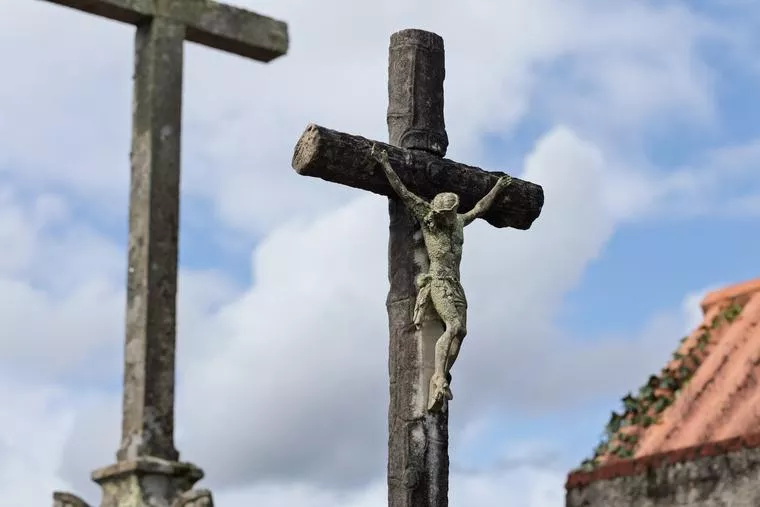
A: The article emphasizes that for Catholic cemeteries, burial is not just about disposing of remains, but a profound testimony of faith in the Resurrection and a commitment to prayer for the deceased, often including traditional elements like crosses and ossuaries.
What Is a Catholic Cemetery?