Q: What is the article mainly about?
A: This article explores the “Presentation of Mary,” a significant event in Catholic tradition, contrasting it with the scripturally- documented Presentation of the Lord and delving into its historical origins and meaning.
Q: Where does the story of Mary’s Presentation come from, since it’s not in the Bible?
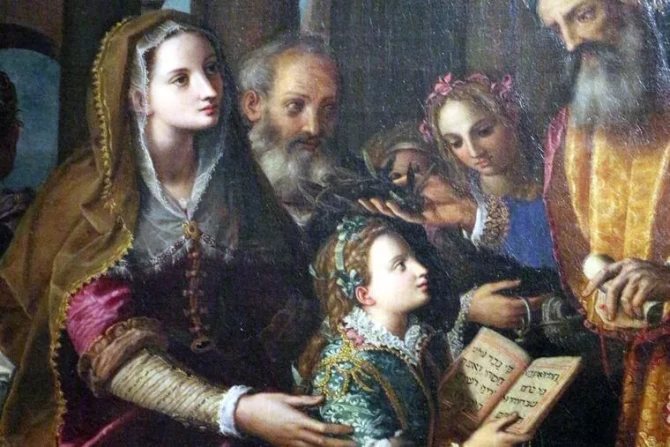
A: The story primarily comes from the “Protoevangelium of James,” an ancient text from apostolic times, which describes Mary’s parents, Joachim and Anna, consecrating her to God in the Temple around age three.
Q: What happened when Mary was presented at the Temple?
A: According to the “Protoevangelium of James,” Mary, accompanied by virgins with lamps, was received by a Temple priest who blessed her, proclaimed her future significance, and then she danced with joy on the Temple steps before being nurtured there.
Q: Why is the Presentation of Mary an important feast day for Catholics?
A: It’s important because it celebrates Mary’s unique dedication to God, her perfect purity, and her role as the mother of Christ and the Church, while also honoring the sacrifice of her parents.
Q: Is this feast day well-known, and what is its significance today?
A: While dating back to early Church history and honored by many saints and popes, it’s categorized as a “memorial” rather than a holy day of obligation, making it easily overlooked, but it still offers Catholics a chance to reflect on Mary’s devotion and their own call to serve God.
What do we know about the presentation of Mary?