Q: What is the main reason Pope Pius XI established the feast of Christ the King?
A: Pope Pius XI instituted the feast in 1925, following his encyclical “Quas Primas,” as a profound response to the rising secularism and nationalism that emerged after World War I, aiming to remind people that Jesus Christ and His holy law should be central to both private and political life for lasting peace.
Q: Were there earlier attempts to establish this feast day?
A: Yes, a Jesuit priest, Father Jean-Marie Sanna-Solaro, requested the feast in 1870, but his request was initially rejected by the Congregation of Rites.
Q: Who played a crucial role in advocating for the feast after the initial rejection?
A: A remarkable French woman named Marthe de Noaillat passionately took up the cause, contacting bishops and religious orders worldwide to gather widespread support, which ultimately convinced Pope Pius XI.
Q: How does the article explain the concept of Christ’s kingship from a biblical perspective?
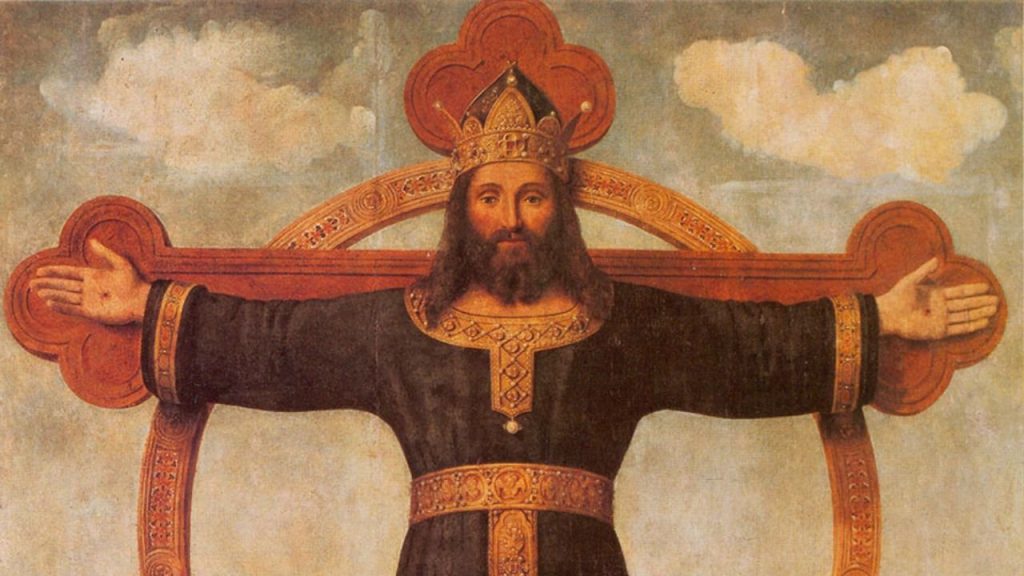
A: The article explains that in the Old Testament, God promised a king from the Davidic line who would fulfill all His promises, a role ultimately realized in Jesus Christ as a king whose kingdom has no end.
Q: Why is the feast of Christ the King still relevant today, a century later?
A: The themes and concerns that prompted “Quas Primas” in 1925, such as societal rejection of divine authority in favor of secular or scientific governance, are still relevant; the feast serves as a call to see Christ the King as the embodiment of perfection we should aspire to.
Why Pope Pius XI established the feast of Christ the King in 1925