Q: What is this article primarily about?
A: This article explores how Vatican City, the world’s smallest state, is governed, highlighting its unique legal, administrative, and spiritual structure designed to ensure the pope’s independence and the Church’s global reach.
Q: How does the Vatican’s governance structure differ from typical countries?
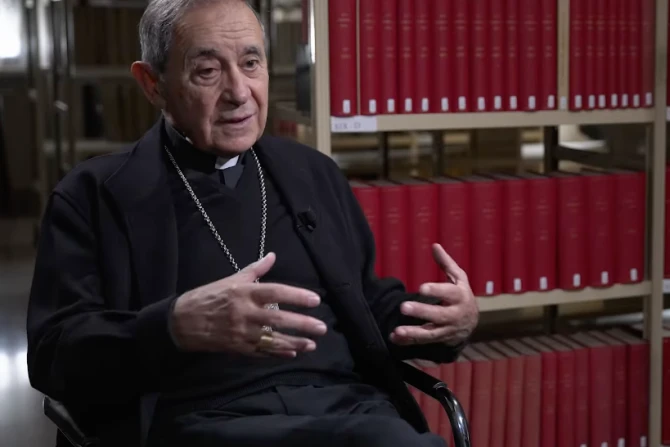
A: Unlike traditional states whose laws apply locally, the Vatican’s legislative texts, prepared by dicasteries like the one Bishop Arrieta works for, govern the entire worldwide Catholic Church across all five continents, accounting for diverse cultures.
Q: What is the main purpose of Vatican City State?
A: Vatican City State, though distinct from the Holy See (the Church’s spiritual authority), exists specifically to guarantee the pope’s independence from all temporal powers, established legally by the Lateran Treaties of 1929.
Q: Are there actual citizens in Vatican City?
A: Surprisingly, the only actual citizen of Vatican City is the pope; everyone else, including the Swiss Guard and other residents, holds temporary residence or work permits.
Q: What unique services and infrastructure does this tiny state possess?
A: Vatican City operates like a full state, boasting its own legal system, courts, and even a jail, alongside services like a post office, a bank (though not a traditional one), a radio station, a supermarket, and even a train station.
Vatican City: How the world’s smallest state is governed