YAOUNDÉ, Cameroon – As Pope Leo XIV prepares for his first apostolic journey to Africa in 2026, the possibility of a stop in Cameroon has ignited a complex debate. While the faithful in this Central African nation long for the presence of the Successor of Peter, a convergence of security strains, political instability, and moral concerns has raised the question: Is Cameroon ready to host the Holy Father?
A Nation Under Strain
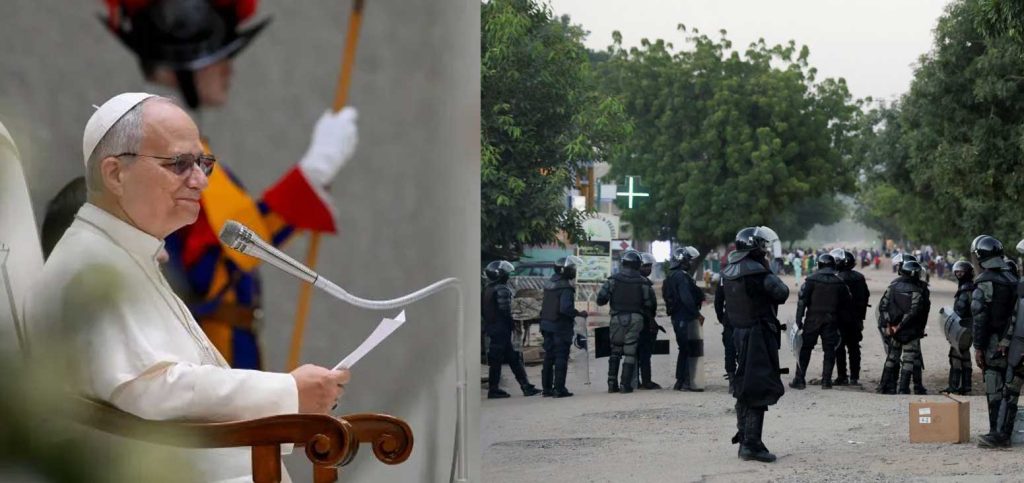
The debate comes in the wake of a highly contested presidential election on October 12, 2025, which saw 92-year-old President Paul Biya extend his 43-year rule. The post-electoral period has been marked by violence and repression, leaving the nation’s security infrastructure exhausted. Kinang Derick, a leading Cameroonian political scientist, warns that the government may lack the resources to ensure the Pope’s safety following the immense strain of the electoral year.
Beyond the capital, the security situation remains dire. The two English-speaking regions have been gripped by separatist violence since 2017, a conflict that has claimed at least 6,500 lives and displaced nearly 2.1 million people as of August 2025. Additionally, Boko Haram incursions in the far-northern region continue to pose a significant threat. These factors, combined with decaying infrastructure, make a papal visit logistically and practically daunting.
| Key Challenges for a Papal Visit to Cameroon | Details |
| Security Infrastructure | Exhausted after the 2025 elections and ongoing regional conflicts. |
| Regional Instability | Anglophone separatist violence and Boko Haram incursions. |
| Political Legitimacy | Contested 2025 election results and human rights concerns. |
| Humanitarian Crisis | 1.8 million people in Anglophone regions need aid; 250,000 children out of school. |
The Moral Question: To Visit or Not to Visit?
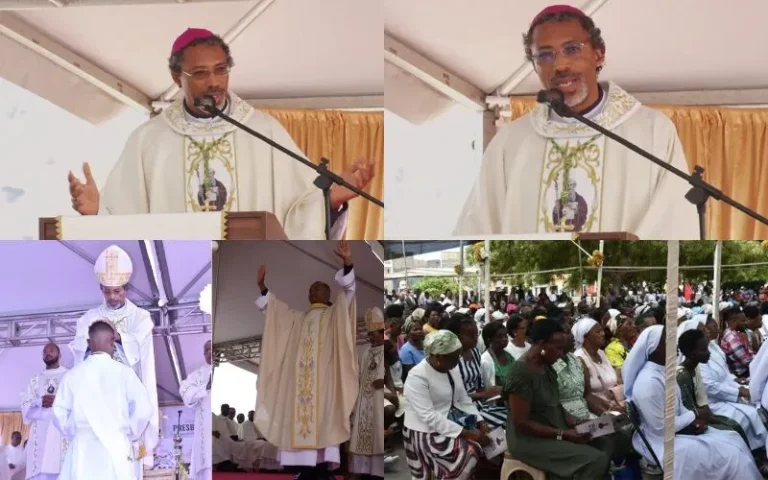
The potential visit has also faced internal opposition from within the Church. Father Ludovic Lado, a prominent Cameroonian Jesuit priest and scholar, has publicly urged Pope Leo XIV not to visit, fearing that his presence could be instrumentalized by a regime whose legitimacy is under fire. In an open letter, Father Lado argued that shaking hands with the current leadership would be akin to an endorsement of a “grave political and moral crisis”.
“The hands of the members of Paul Biya’s regime… are stained with the blood of poor Cameroonians,” Father Lado wrote, highlighting the lack of regard for human dignity in the face of political repression. This sentiment reflects the Church’s “option for the poor,” which Father Lado fears would be betrayed by providing a platform for an “aging elite”.
A Call for Peace and Discernment
While a papal visit would undoubtedly strengthen the faith of Cameroon’s Catholics—who make up about 38.3% of the population—the diplomatic and moral implications are profound. For the government, a visit would be a significant diplomatic victory, potentially laundering its international image amidst growing criticism of human rights abuses. The Church in Cameroon has long been seen as a potential mediator in the Anglophone crisis, but internal divisions and the targeting of religious figures have complicated these efforts.
As the Vatican continues to finalize the itinerary for the 2026 African tour—which already includes confirmed stops in Equatorial Guinea and Angola—the situation in Cameroon remains a subject of intense prayer and discernment. The Church in Cameroon, caught between its pastoral mission and the harsh realities of political life, continues to look toward the Holy Father for a sign of hope that does not compromise the truth.
A Spiritual Resolution: Seeking Peace Through the Heart of Christ
In these times of uncertainty and conflict, we are called to a deeper spiritual solidarity with the people of Cameroon. Let us turn to the Sacrament of Confession, seeking the internal peace that is the foundation of all true social harmony. Let us spend time in Eucharistic Adoration, bringing the intentions of the suffering and the displaced before the Real Presence of the Prince of Peace.
The Holy Rosary remains a powerful intercession for nations in turmoil; let us pray it for the protection of the Church in Cameroon and for the wisdom of our leaders. Through active participation in the Holy Mass and the devout reception of the Eucharist, we are united with the universal Church in its mission of reconciliation. Finally, let us immerse ourselves in Sacred Scripture, finding in the Word of God the promise that “blessed are the peacemakers, for they shall be called children of God.”
To remain informed about Catholic life, teachings, and global Church developments, readers may be encouraged to visit www.ewtnvatican.com for trusted Catholic news and resources.