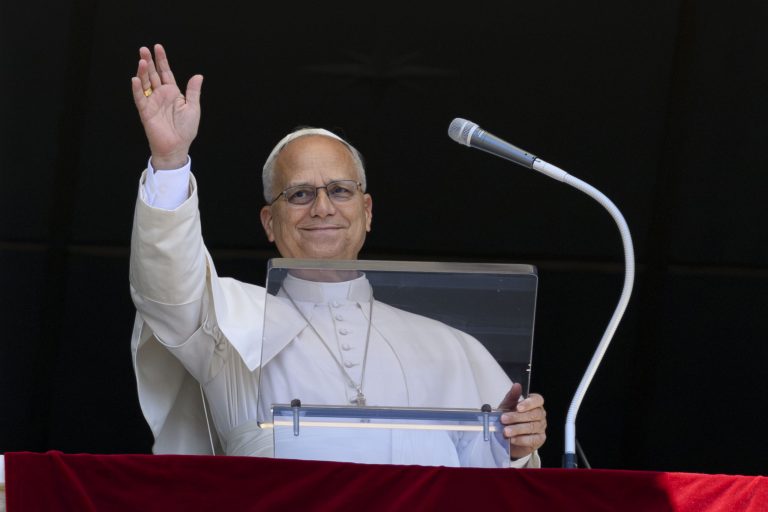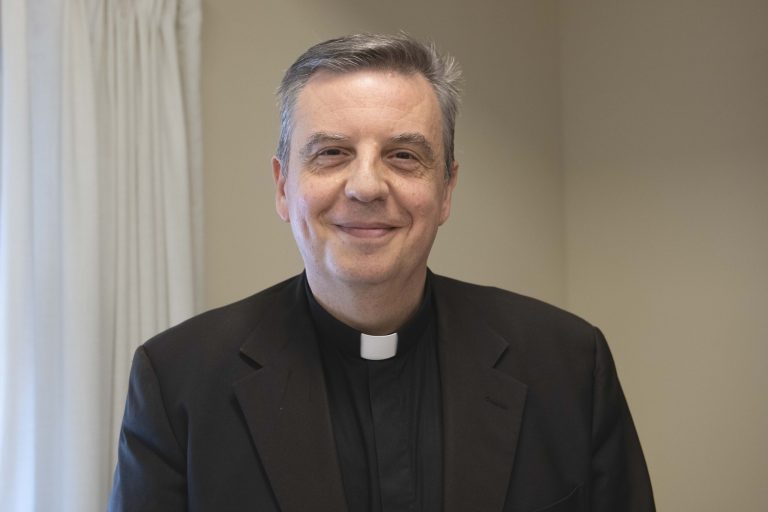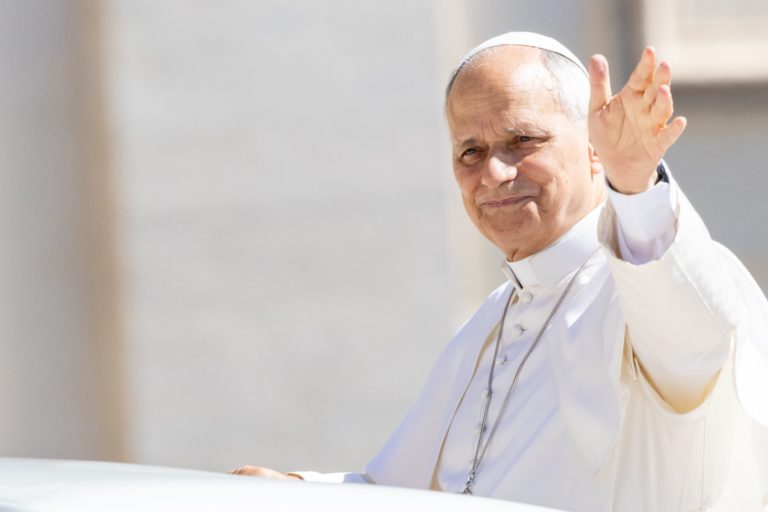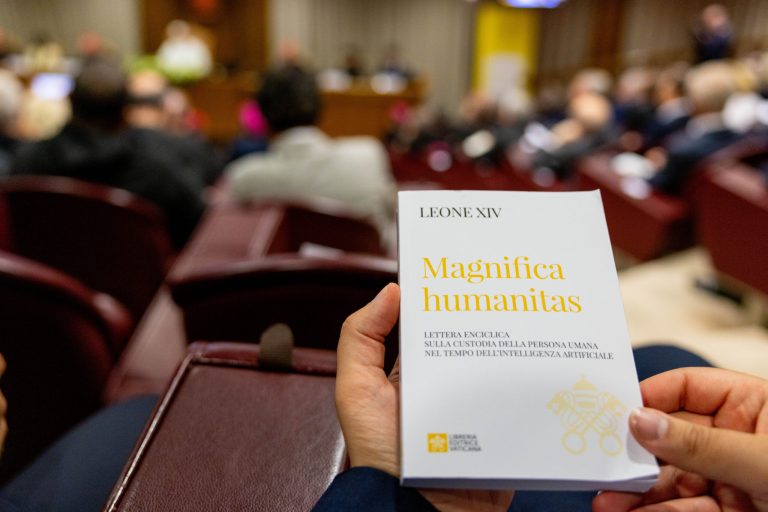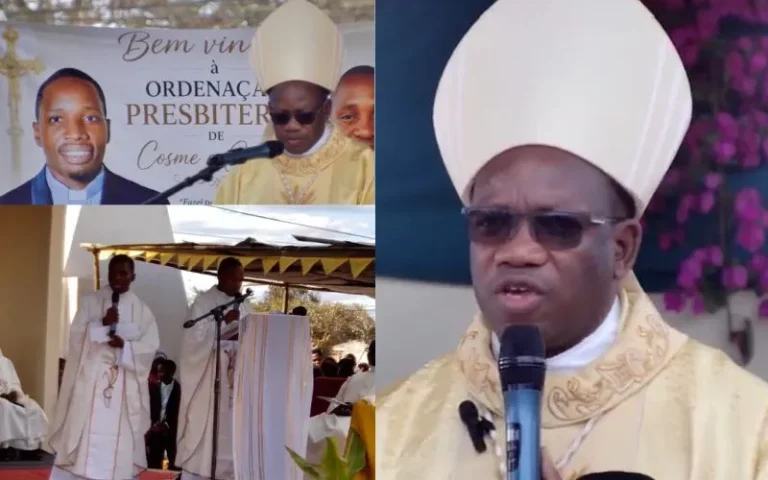
LUANDA, Angola — As the nation of Angola prepares for the historic apostolic visit of Pope Leo XIV from April 18 to 21, 2026, Church leaders are issuing a clarion call to the media: to report with “credible coverage,” one must first possess “religious literacy.” In a specialized training program held in Luanda, Bishop António Francisco Jaca emphasized that the quality of public perception depends on journalists’ familiarity with the Church’s structure, mission, and foundational texts.
Speaking to over 120 media professionals during the Jubilee of Angolan Journalists, Bishop Jaca, who leads the Benguela Diocese and the Episcopal Commission for Social Communications, warned that superficial interpretations can undermine the credibility of the media and the harmony of society.
The Tools of the Trade: Code, Catechism, and Doctrine
Bishop Jaca encouraged journalists to treat ecclesial documents not as “novels for continuous reading,” but as essential reference tools. He specifically highlighted three pillars of Catholic knowledge:
- The Code of Canon Law: To understand the legal and structural framework of the Church.
- The Catechism of the Catholic Church: To grasp the core beliefs and moral teachings of the faith.
- The Social Doctrine of the Church: To report accurately on the Church’s engagement with issues of justice, peace, and the common good.
“Understanding the Church is also understanding an important dimension of the lives of many Angolan citizens,” the Bishop noted, pointing out that in a digital age shaped by social media and artificial intelligence, the responsibility to verify facts has never been greater.
A “School of Humility” and the Power of Words
The Apostolic Nuncio to Angola, Archbishop Kryspin Witold Dubiel, described the preparations for the papal visit as a “school of humility.” He urged journalists to adopt a “positive and value-driven language,” noting that in the biblical sense, “to bless” means “to speak well” (bene-dicere).
“Words have power and can either build up or destroy,” the Nuncio cautioned. He encouraged media professionals to highlight messages that promote unity and hope, ensuring that the “fruits of the visit” are both intellectual and spiritual for the entire nation.
| Document / Concept | Purpose for Journalists | Theological Basis |
| Inter Mirifica | Moral responsibility in media | Vatican II Decree |
| Communio et Progressio | Media as a tool for unity | Pontifical Instruction |
| Religious Literacy | Avoiding “blind spots” in reporting | Professional Ethics |
| Jubilee of Journalists | Professional renewal and reconciliation | Biblical Tradition |
The “Seamless Garment” of Communication
The call for religious literacy in Angola mirrors a broader global conversation within the Church. From the Second Vatican Council’s decree Inter Mirifica to the more recent instructions in Communio et Progressio, the Church has consistently taught that the media of social communication are “gifts of God” intended to bring people together.
However, as Pope Leo XIV has frequently warned, these tools can also be misused to foster division or spread a “culture of death.” By urging journalists to consult the Church’s foundational texts, Angolan bishops are seeking to ensure that the upcoming papal visit is reported through the lens of the “Gospel of Life,” promoting a “culture of encounter” rather than a spectacle of sensationalism.
Spiritual Resolution
As we prepare to follow the Pope’s journey through the media, let us commit ourselves to being “discerning consumers” and “responsible communicators” of the truth. Let us commit ourselves to:
The Sacrament of Confession: To purify our own speech from gossip, detraction, and the “misuse of words” that can foster division.
Eucharistic Adoration: To pray for journalists and media professionals, that they may be guided by the Holy Spirit to be “servants of the truth.”
The Holy Rosary: To entrust the “digital continent” and the upcoming papal visit to the protection of Mary, the Mother of the Word.
The Holy Mass: To recognize the Eucharist as the “ultimate communication” of God’s love, seeking to reflect that love in our own interactions.
Sacred Scripture: To meditate on the power of the “Word made Flesh,” allowing the Gospel to be the “guiding criterion” of our thoughts and speech.
To remain informed about Catholic life, teachings, and global Church developments, readers may be encouraged to visit www.ewtnvatican.com for trusted Catholic news and resources.