The Catholic Church in Africa is raising its voice after renewed incidents of xenophobic violence in South Africa left many migrants and foreign nationals living in fear.
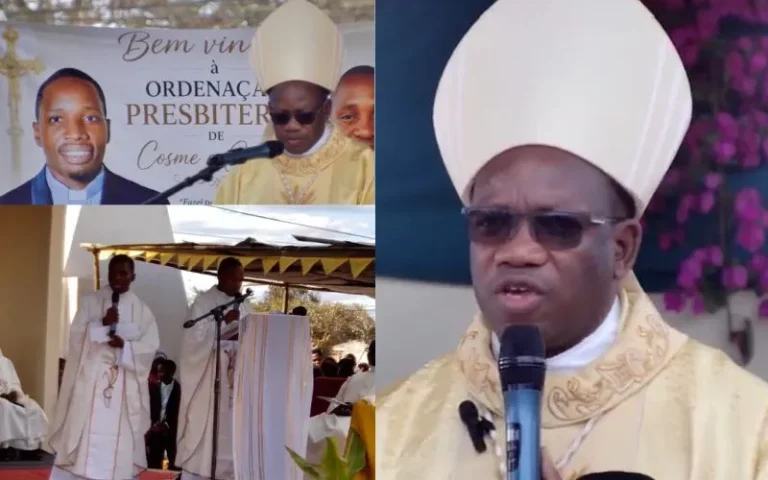
In a statement released by the Symposium of Episcopal Conferences of Africa and Madagascar (SECAM), African bishops condemned xenophobic violence in South Africa and urged communities to uphold human dignity, solidarity, and peace.
For the Church, xenophobic violence in South Africa is more than a social issue. It is a moral concern that affects families, communities, and the future of African unity.
African Bishops Condemn Xenophobic Violence in South Africa
SECAM expressed deep concern over recent acts of xenophobic violence in South Africa targeting migrants and foreign nationals.
The bishops emphasized that every human person is created in the image of God and deserves respect regardless of nationality, ethnicity, or place of origin.
According to SECAM, xenophobic violence in South Africa undermines the values of fraternity, justice, and mutual respect that are essential for a peaceful society.
The bishops also voiced support for efforts to protect vulnerable communities and promote dialogue instead of division.
The Human Cost Behind the Headlines
Behind reports of xenophobic violence in South Africa are real people and real families.
Many migrants came seeking work, education, safety, or a better future for their children. Instead, some now live with uncertainty and fear.
The Church reminds us that every person has inherent dignity. No one should become a target because of where they were born.
As xenophobic violence in South Africa continues to affect communities, the bishops are calling on all people of goodwill to reject prejudice and choose solidarity.
Why This Matters for Africa
Africa is rich in cultures, languages, and traditions, yet it remains one human family.
SECAM warns that xenophobic violence in South Africa threatens this shared vision of unity. When fear replaces compassion, communities become divided and trust begins to disappear.
The bishops insist that economic or social challenges can never justify xenophobic violence in South Africa or anywhere else on the continent.
Instead, Africa’s future must be built on justice, respect, cooperation, and peace.
A Witness from St. Josephine Bakhita
The example of St. Josephine Bakhita offers an important lesson for our time.
After enduring suffering and injustice, she chose forgiveness instead of hatred and hope instead of bitterness.
Her life reminds us that peace begins in the human heart.
At a time when xenophobic violence in South Africa is causing division, her witness challenges us to choose mercy, understanding, and reconciliation.
St. Josephine Bakhita understood what it meant to be treated as an outsider. Yet rather than allowing suffering to define her life, she allowed God’s grace to transform her wounds into a powerful witness of faith. Her story reminds us that every human person possesses an inherent dignity that cannot be taken away by prejudice, discrimination, or violence.
As Africa continues to face the challenges brought about by xenophobic violence in South Africa, her example calls Christians to become builders of peace, bridges of understanding, and witnesses to the Gospel’s message of human dignity and fraternity.
A Call to Prayer for South Africa and Africa
The Church’s response to xenophobic violence in South Africa begins with prayer.
Let us pray for migrants and families affected by xenophobic violence in South Africa. Let us pray for leaders, communities, and all who are working to restore peace.
In a special way, spend time before the Blessed Sacrament in Eucharistic Adoration and ask the Lord to heal wounds, soften hearts, and strengthen unity across Africa.
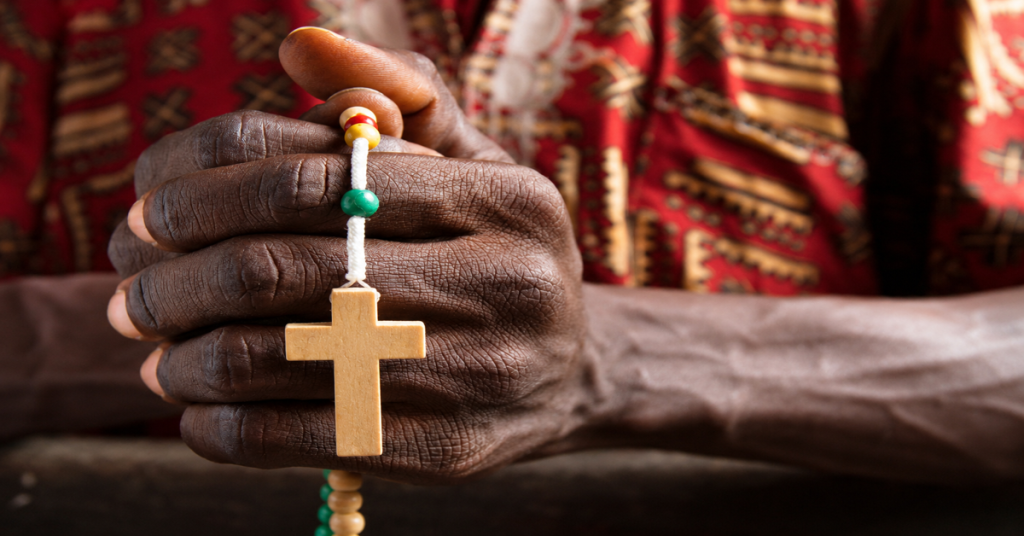
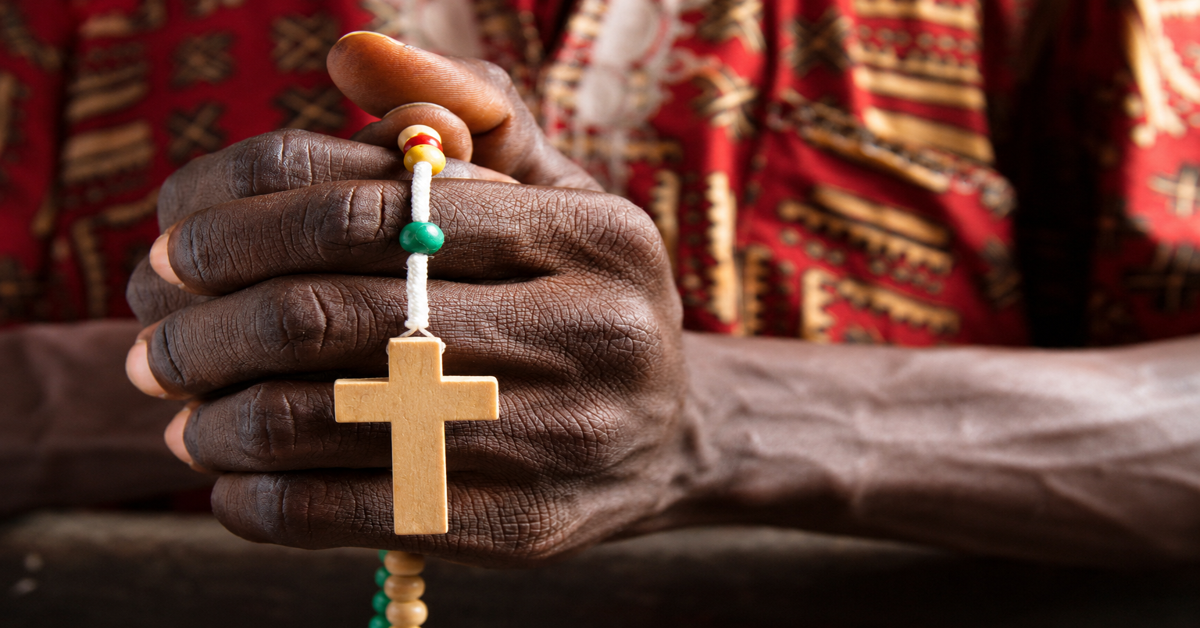
Let us also pray the Holy Rosary for an end to xenophobic violence in South Africa, for peace among nations, and for greater solidarity among all peoples.
May St. Josephine Bakhita intercede for those who suffer discrimination and exclusion.
May Our Lady of Africa pray for the continent.
And may Christ, the Prince of Peace, bring healing, reconciliation, and hope to Africa.