Image Credit: KCCB
Kenya Ebola Facility Opposition grows as Catholic Bishops reject plans for a U.S.-backed Ebola quarantine center, citing public safety, transparency, and national sovereignty.
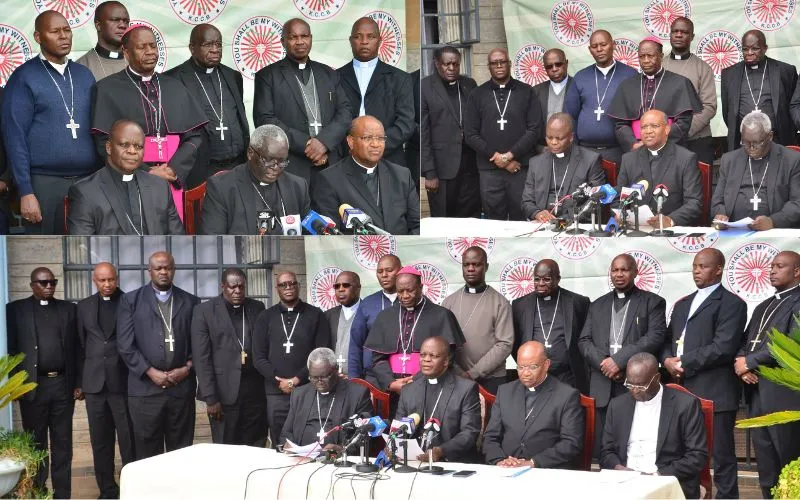
Kenya Ebola Facility Opposition has intensified after the Kenya Conference of Catholic Bishops (KCCB) publicly opposed plans to establish an Ebola quarantine and treatment facility for American citizens at Laikipia Air Base. The bishops say the proposal raises serious concerns about public health, transparency, and Kenya’s national sovereignty.
In a statement addressing the state of the nation, the bishops criticized what they described as the government’s failure to conduct meaningful public consultation or provide adequate parliamentary oversight before approving the initiative. The project, which has since been halted by court order following widespread public protests, remains the subject of legal and political debate.
For Catholics across Africa, the controversy highlights the importance of protecting human life while ensuring that major public health decisions are guided by transparency, accountability, and the common good.
Kenya Ebola Facility Opposition Prompts Bishops to Demand Transparency
The Catholic bishops questioned both the necessity of the proposed facility and the process through which it was approved.
They expressed concern that Kenyans were not adequately informed about the agreement governing the project or the potential public health implications.
The bishops warned that hosting foreign Ebola patients could expose Kenyan citizens to unnecessary risks and argued that decisions affecting national health security should involve broad public participation.
They also questioned what benefits Kenya would receive from the arrangement and urged government leaders to safeguard the country’s sovereignty while placing the welfare of its citizens first.
Proposed Facility Sparks National Debate
According to government officials, the proposed quarantine facility was intended to monitor and treat American citizens who may have been exposed to Ebola during the ongoing outbreak in the Democratic Republic of the Congo before their possible transfer to the United States.
However, the proposal has generated significant public concern throughout Kenya.
Residents, civil society organizations, healthcare professionals, and religious leaders have questioned both the transparency of the agreement and the potential health risks associated with the project.
Public demonstrations against the facility have taken place in parts of Laikipia County, while legal petitions challenged the government’s handling of the proposal. A Kenyan court subsequently ordered construction to stop pending further legal proceedings.
Church Calls for Dialogue and Responsible Leadership
While expressing concern about the proposal, the bishops emphasized that the Church remains committed to working constructively with government authorities for the good of the nation.
They called for greater openness in decisions affecting public health and national resources, encouraging transparent dialogue between government leaders, health experts, religious communities, and the Kenyan people.
The bishops stressed that genuine public participation is essential whenever decisions have the potential to affect the health and safety of millions of citizens.
Why This Matters for the Church in Africa
The debate surrounding the proposed Ebola facility extends beyond Kenya.
It raises broader questions about public trust, responsible governance, and the dignity of every human person.
The Church teaches that decisions affecting public welfare should always respect human dignity, promote the common good, and involve honest consultation with those most directly affected.
Catholic leaders continue to encourage governments to pursue policies that protect life while fostering transparency, justice, and solidarity.
What Can Catholics Learn From This?
The discussion surrounding the proposed facility reminds Catholics of the importance of balancing compassion with prudence.
The Church supports efforts to care for the sick while also encouraging responsible leadership and decisions that safeguard the wellbeing of entire communities.
This situation also reminds believers of the importance of C.A.R.E.S. through Confession, Adoration, the Rosary, the Eucharist, and Sacred Scripture.
Through these spiritual practices, Catholics seek God’s wisdom while praying for leaders, healthcare workers, and communities facing difficult decisions.

A Spiritual Resolution
As we pray for Kenya and all nations responding to public health emergencies, let us ask God to guide leaders with wisdom, integrity, and compassion.
The Sacrament of Confession: Let us ask the Lord to purify our hearts so that we may always seek truth, justice, and the common good.
Eucharistic Adoration: Let us pray for government leaders, healthcare professionals, and all those entrusted with protecting public health.
The Holy Rosary: Let us entrust Kenya, the Democratic Republic of the Congo, Uganda, and all communities affected by Ebola to the maternal care of the Blessed Virgin Mary.
The Holy Mass: Let us offer our participation at Mass for wisdom in public decision-making and for the protection of every human life.
Sacred Scripture: Let us reflect on the words of Saint Paul: “Let each of you look not only to his own interests, but also to the interests of others” (Philippians 2:4).
May truth guide every decision.
May peace replace fear.
And may God protect all those working to safeguard life and promote the common good throughout Africa.
To remain informed about Catholic life, teachings, and inspiring stories from across Africa, readers are encouraged to visit EWTN Africa for trusted Catholic news and resources.
Our Lady of Africa, pray for us.
For more Catholic news from the Church in Africa, visit ACI Africa.