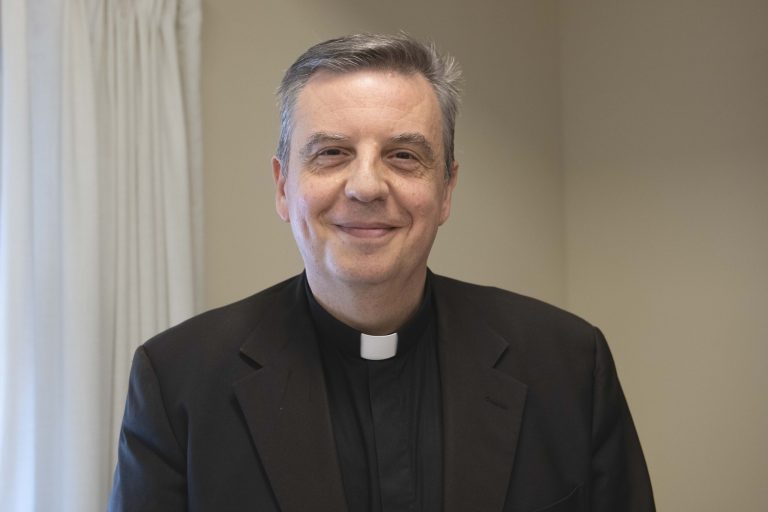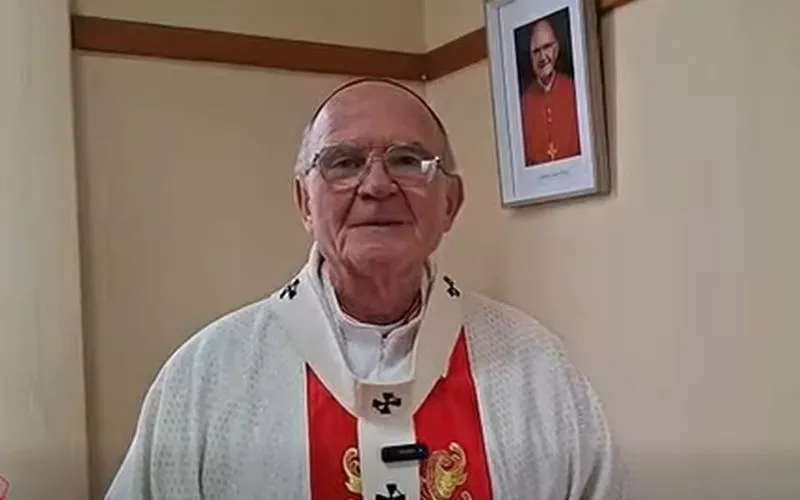
JOHANNESBURG, South Africa — As South Africa marked the 32nd anniversary of its first democratic elections on April 27, 2026, Cardinal Stephen Brislin, Archbishop of Johannesburg and President of the Southern African Catholic Bishops’ Conference (SACBC), issued a stirring call for a “freedom that is shared.” In a message that resonated with the Church’s long-standing commitment to social justice, the Cardinal reminded the nation that “we can never be truly free when other people are not”.
Freedom Day, which commemorates the historic 1994 elections that ended the “dreadful system” of apartheid, was celebrated this year under the theme “Freedom and the Rule of Law.” For Cardinal Brislin, the day is a moment of profound gratitude to God for the “freedom of religion, speech, and association” that South Africans now enjoy—gains that he warned must never be taken for granted.
A Legacy of Struggle and Hope
Reflecting on the country’s journey from the “dehumanization” of the past, Cardinal Brislin urged citizens to remain rooted in their history. The Catholic Church in South Africa played a pivotal role in the anti-apartheid struggle, with figures like Archbishop Denis Hurley and the SACBC providing a moral voice against racial oppression—a legacy that even inspired leaders like Nelson Mandela.
“Let us not forget where we came from,” the Cardinal said. “While we have many problems and challenges, we have come from a system of racism and apartheid, and we are now a free country”. He highlighted that South Africa remains one of the “freest countries in Africa,” a status that provides the foundation for addressing the “evil things” that still plague society.
| Modern Challenges to Freedom | Impact on Society | The Church’s Response |
| Corruption | Deprives the poor of housing, healthcare, and a future. | A call for “ethical leadership” and the “common good.” |
| Xenophobia | Hostility and violence against African migrants. | Promoting “radical hospitality” and the dignity of all. |
| Greed | Limits the freedom of others through economic exclusion. | Advocating for a “just model of coexistence.” |
| Violence | Creates a “shackle of fear” on the streets. | A prayer for “peace and national reconciliation.” |
Throwing Off the “New Shackles”
Despite the political freedoms won in 1994, Cardinal Brislin identified several “new shackles” that continue to limit the true liberation of the South African people. He specifically denounced the “terrible corruption” that deprives the most vulnerable of essential services and the “persistent problem” of xenophobia that targets migrants from other African nations.
“We’ve got to find ways of really unifying and becoming South African,” the Cardinal emphasized, noting that the nation remains deeply divided. He called for a “solidarity of the heart” with those who do not yet enjoy the fullness of freedom, framing the struggle for justice as a continuous journey rather than a destination.
A Call to National Cohesion
The 69-year-old prelate, who was created a cardinal by Pope Francis in 2023, has consistently used his platform to advocate for the “marginalized and the forgotten.” His message for Freedom Day 2026 was a clear appeal for national cohesion and a rejection of the “culture of disposal” that often surrounds the poor and the migrant.
As President Cyril Ramaphosa led the national commemorations, the Church’s voice served as a moral compass, reminding the faithful that true freedom is found in service to others. “Let us work together so that we can be truly free,” the Cardinal concluded, “not subject to the violence, greed, and xenophobia that limit our potential”.
As we reflect on the “gift of freedom” celebrated in South Africa, let us renew our own commitment to the “liberation of the soul” and the service of our neighbor. Let us resolve to:
- The Sacrament of Confession: To seek freedom from the “shackles of sin”—greed, prejudice, and indifference—that prevent us from seeing the face of Christ in others.
- Eucharistic Adoration: To pray for the people of South Africa, that they may find the strength to build a “just and reconciled” society in the light of the Gospel.
- The Holy Rosary: To entrust the “Rainbow Nation” to the maternal protection of Mary, the Queen of Peace, seeking her intercession for an end to xenophobia and violence.
- The Holy Mass: To offer our participation in the Holy Sacrifice for the victims of corruption and for the “missionary agents” who work for social justice in Africa.
- Sacred Scripture: To meditate on the words of St. Paul: “For freedom Christ has set us free; stand fast therefore, and do not submit again to a yoke of slavery” (Galatians 5:1), seeking to live as “ambassadors of hope.”
To remain informed about Catholic life, teachings, and global Church developments, readers may be encouraged to visit www.ewtnvatican.com for trusted Catholic news and resources.