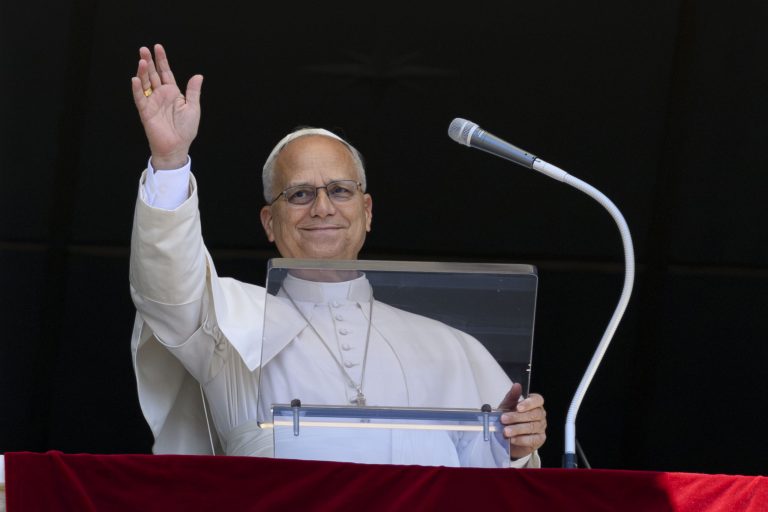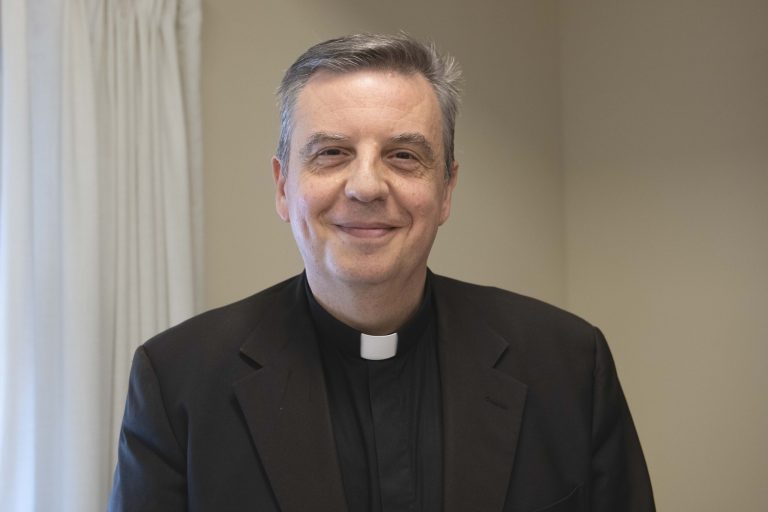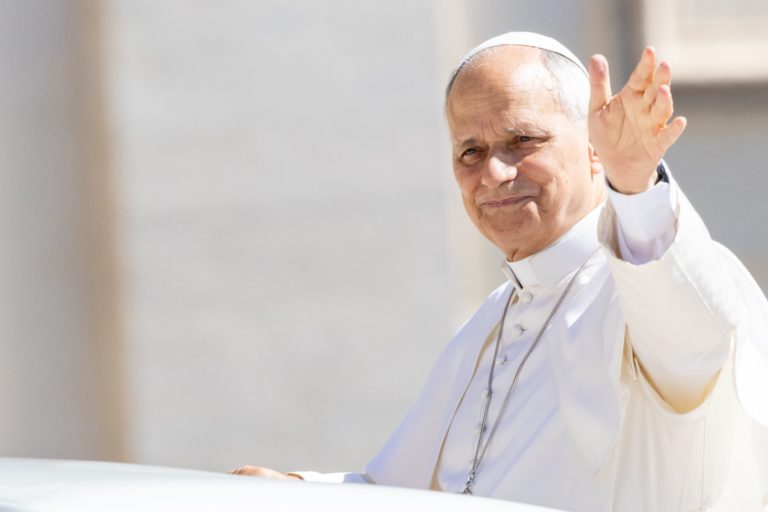
NAIROBI, Kenya — In the wake of Pope Leo XIV’s historic 11-day apostolic journey to Africa, a profound shift is taking place in the self-understanding of the continent’s local churches. According to Fr. Ephraim Peter Madeya, National Director of the Pontifical Mission Societies (PMS) in Malawi, the papal visit has served as a “telling signal” that the Church in Africa is moving beyond its historical status as a “mission territory” to become a dynamic “missionary agent” for the universal Church.
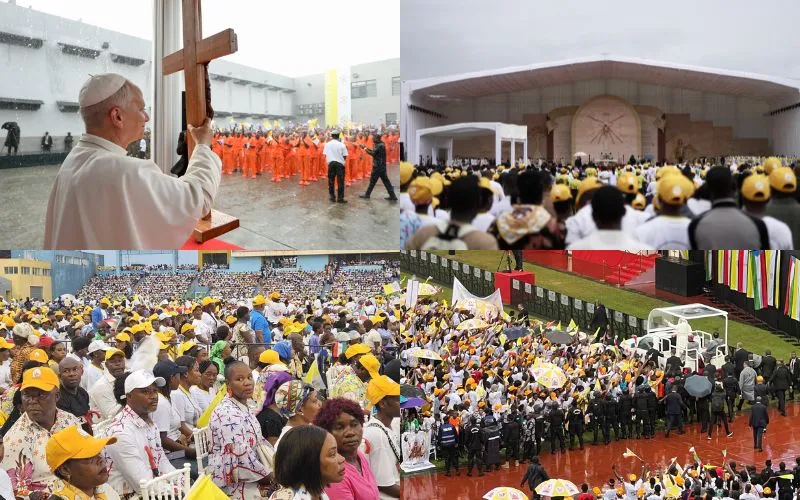
The journey, which spanned Algeria, Cameroon, Angola, and Equatorial Guinea from April 13 to 23, 2026, was the first African tour for the American-born pontiff. For Fr. Madeya, the visit was not merely a diplomatic success but a spiritual catalyst that has “reaffirmed Africa as a vibrant and growing part of the global Church”.
A New Era of Missionary Identity
Historically, many African dioceses were classified as “mission territories” under the jurisdiction of the Dicastery for Evangelization, relying heavily on foreign personnel and resources. However, Fr. Madeya notes that the Pope’s presence has encouraged these local churches to embrace their own missionary vocation. “The Pope’s presence encourages local Churches to move from being mission territories to becoming missionary agents, actively evangelizing both within Africa and beyond,” he stated.
This shift is rooted in the concept of inculturation—the process of living the Catholic faith within the richness of African cultures. Throughout his journey, Pope Leo XIV emphasized that the Gospel must “take flesh” in the local context, a message that resonates with the Church’s teaching on the “holy audacity” required for modern evangelization.
| Papal Stop | Key Missionary Focus | Significance |
| Algeria | Interreligious Dialogue | Visiting the Great Mosque of Algiers as a “pilgrim of peace.” |
| Cameroon | Reconciliation | A “Meeting for Peace” in Bamenda to heal social tensions. |
| Angola | Youth & Expansion | Urging youth to support the Shrine of Mama Muxima. |
| Equatorial Guinea | Human Dignity | Visiting Bata Prison to preach restorative justice. |
Inspiring a “Springtime of Vocations”
One of the most significant impacts of the visit has been the renewed zeal for vocations among the youth. In a continent where 60 percent of the population is under the age of 25, the Pope’s engagement with young people has been a “source of encouragement and renewal”.
Fr. Madeya highlighted that the Holy Father’s message often emphasizes discernment and service, helping individuals see their vocation as a “personal gift for the mission of the Church.” This is particularly relevant as the Church recently observed the World Day of Prayer for Vocations, where the Pope called for a “generous response” to God’s call.
The “Field Hospital” in Action
The Pope’s visit also highlighted the Church’s social mission. From the “Meeting for Peace” in the conflict-torn region of Bamenda, Cameroon, to the call for restorative justice in Equatorial Guinea, the Holy Father demonstrated the Church’s role as a “field hospital” for a wounded world.
By visiting the Maqam Echahid Martyrs’ Monument in Algeria and the Shrine of Our Lady of the Conception of Muxima in Angola, the Pope connected the Church’s mission to the historical and social realities of the people. These gestures have moved the local churches to see themselves not just as recipients of aid, but as protagonists in the building of a “just, united, and reconciled” society.
As we reflect on the “missionary agency” of the Church in Africa, let us join our hearts with our brothers and sisters on the continent. Let us resolve to:
- The Sacrament of Confession: To seek the “healing of heart” that allows us to be true missionary agents in our own spheres of influence.
- Eucharistic Adoration: To pray for the “springtime of vocations” in Africa and for the success of the Pontifical Mission Societies globally.
- The Holy Rosary: To entrust the missionary efforts of the Church to the maternal protection of Mary, the “Star of Evangelization.”
- The Holy Mass: To offer our participation in the Holy Sacrifice for the “missionary agents” who serve in the peripheries of the world.
- Sacred Scripture: To meditate on the “Great Commission” (Matthew 28:19-20), remembering that we are all called to “go and make disciples of all nations.”
To remain informed about Catholic life, teachings, and global Church developments, readers may be encouraged to visit www.ewtnvatican.com for trusted Catholic news and resources.